By Godfrey Wamalwa
Funyula Constituency is once again emerging as a political battleground, with early campaigns quietly taking shape ahead of the next parliamentary race.
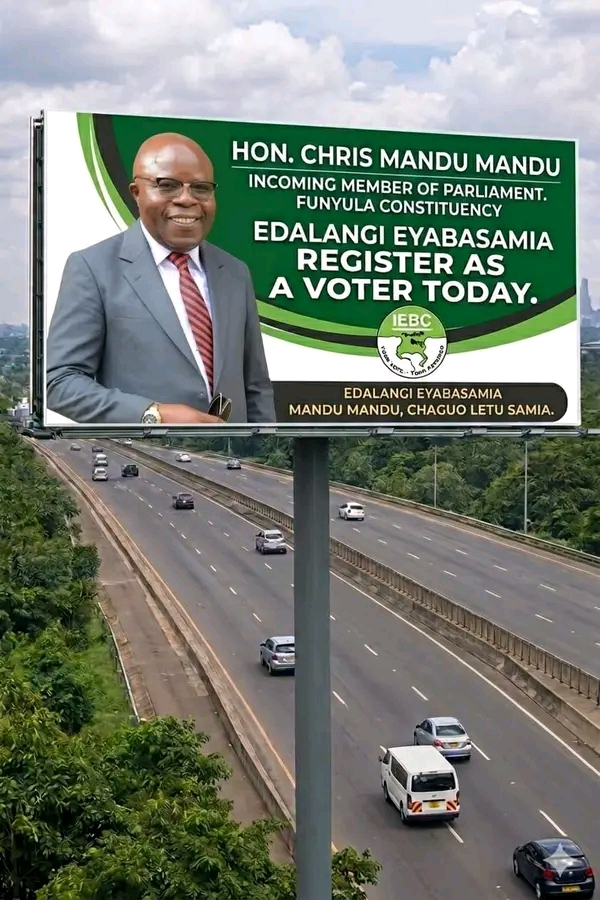
At the centre of the unfolding contest is Chris Mandu, a name steadily gaining traction among voters and local opinion leaders as debates over leadership, development priorities and generational change intensify.
Though the race is still in its early stages, political temperatures in Funyula are gradually rising.
Meetings in trading centres, church gatherings and youth forums are increasingly turning into informal campaign platforms, with residents expressing mixed expectations about the direction the constituency should take.
Against this backdrop, Mandu has positioned himself as part of a new wave of leadership seeking to redefine representation in the region.
Chris Mandu’s emerging political message revolves around renewal, accountability, and what he describes as “restoring confidence between leaders and citizens.”
His supporters argue that Funyula requires a shift from traditional political alignments to a more development-focused approach that prioritises service delivery over political loyalty.
In his early engagements, Mandu has repeatedly emphasised education support, youth empowerment and improved access to county and national government opportunities.
“We cannot continue recycling the same promises every election cycle,” Mandu has told residents in several small-scale meetings across the constituency. “Funyula deserves leadership that listens, delivers, and involves people in decision-making.”
His remarks have resonated strongly among younger voters, many of whom feel excluded from mainstream political processes.
Youth unemployment remains a key concern in the constituency with many graduates struggling to secure stable opportunities.
Mandu’s campaign messaging has sought to tap into this frustration by proposing skills development programmes, small business incubation support and stronger partnerships with national government youth funds.
However, the political landscape in Funyula is far from straightforward. Established political figures retain significant influence, with deep-rooted networks in villages and local administrative structures.
These players are expected to mount a strong challenge, relying on long-standing alliances and historical voting patterns that have shaped the constituency’s electoral behaviour over the years.
Analysts suggest that the coming contest will not only be about individual personalities but also about competing visions for the constituency’s future.
While Mandu represents a push for generational transition, other contenders are likely to frame their campaigns around experience, continuity and established development records.
Local leaders have noted that voter expectations are also shifting. Issues such as road infrastructure, access to clean water, agricultural support and education bursaries continue to dominate public discussions.
In rural parts of Funyula, residents have expressed concern over stalled projects and inconsistent implementation of development promises.
A trader in one of the local markets summed up the mood: “We listen to many leaders during campaigns, but what we want now is action. Whoever comes should not forget us after elections.”
Mandu’s camp appears aware of this sentiment and is increasingly focusing on community-based engagement strategies.
Instead of large political rallies, the team has opted for smaller meetings aimed at direct interaction with voters. This approach is intended to build trust and present Mandu as accessible and responsive to grassroots concerns.
Despite the growing visibility, the race remains unpredictable.
Political alliances in Funyula have historically shifted rapidly, especially as elections approach.
Endorsements from local influencers, religious leaders and community elders are expected to play a decisive role in shaping voter perceptions.
As the political season gradually gains momentum, Chris Mandu’s candidacy is already stirring debate about leadership renewal and the future direction of Funyula politics.
Whether his message will translate into electoral success remains uncertain but what is clear is that the constituency is heading toward a closely watched and highly competitive political contest.
For now, Funyula stands at a crossroads—between continuity and change, experience and renewal, tradition and transformation.
At the heart of this evolving narrative is a race that could redefine the constituency’s political future.