


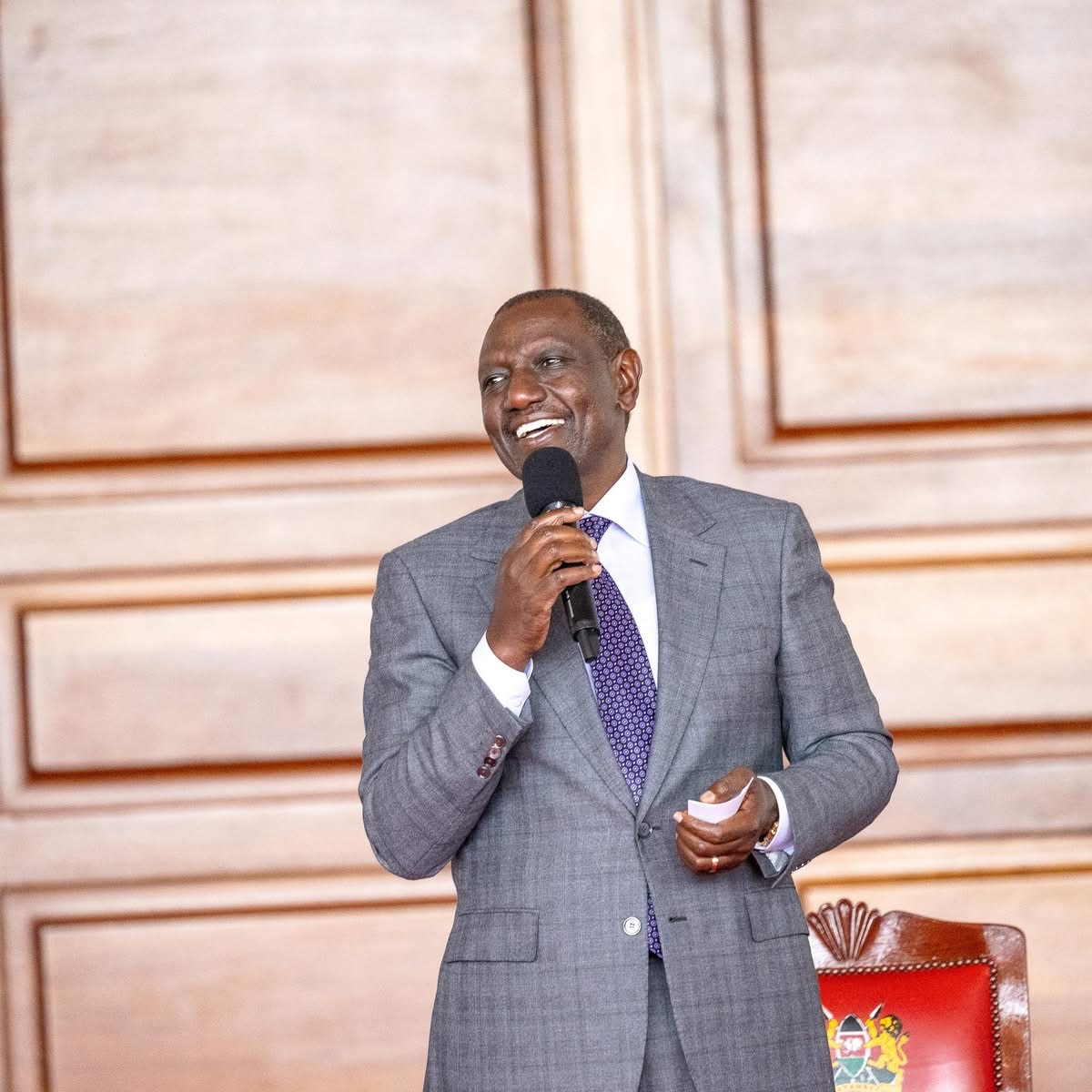
President William Ruto
By Peter Marango Mwibanda
NAIROBI
When William Ruto and the Kenya Kwanza coalition swept to power in 2022 promising a “new economic order”.
For ordinary Kenyans, the message was clear: end the politics of elites, lift the “hustler” majority and deliver tangible prosperity.
Nearly halfway through the first term, many Kenyans feel the myth has worn thin — as the economy strains, living costs soar and the promise of transformation remains largely unmet.
The narrative that captured hearts
During the campaign, Ruto positioned himself as the champion of the “hustler” class — small-business operators, informal workers and those who regarded themselves outside the elite economic circle.
The Kenya Kwanza agenda emphasised economic inclusion, targeted empowerment and unlocking growth for the many, not just the few.
In its early months the government pointed to stabilised inflation and a steadier currency, as well as modest economic growth.
Inequality bites and the burden is rising
Despite those indicators, the lived reality for many Kenyans is far tougher. High youth unemployment, wage stagnation, rising cost of basic goods and multiple tax and fee increases are breeding resentment.
Analysts note that Kenya’s debt burden remains high and that borrowing for large infrastructure projects has placed a strain on the fiscal space.
Unrest has followed: the June 2024 protests against the Finance Bill exposed fault-lines between the government’s ambition and public patience.
The myth versus the mechanism
Here is where the core tension lies: The myth promised empowerment; the mechanism so far has delivered mixed results.
For example, the much-publicised “Hustler Fund” — intended to provide micro-loans to support small-businesses — is under strain, with rising defaults and tighter budget allocations.
Meanwhile, many of the touted infrastructure projects, while headline-grabbing, carry heavy financing obligations and have yet to yield large-scale job creation or visible community uplift.
The release of new economic data shows that Kenya’s growth forecast has been revised downward (to 4.7 percent in 2024) and structural imbalances remain.
Governance, delivery and trust deficit
Delivery of services, accountability and corruption remain recurring concerns. Kenya ranks poorly in perception indices, and the public’s patience is fraying.
Political analysts say that the ruling coalition faces a trust-deficit: when expectations are high and results slow, the political narrative begins to unravel.
For many Kenyans, the “hustler” message now feels like rhetoric without transformation.
What happens next — and why it matters
Political risk for Kenya Kwanza: Unless the coalition can convert myth into material change, it runs the risk of alienating the very base it promised to uplift.
Youth and informal sector vulnerability: The largest constituency in Kenya — young, urban-bound, financially stretched — may begin to shift its allegiance if economic pain persists.
Opposition momentum: Dissatisfaction creates space for opposing forces to reposition themselves with a narrative of accountability and change.
Credibility on the international stage: Sustained under-performance and opaque governance could undermine investor confidence and raise the cost of borrowing, placing more burden on public finances.
Conclusion
The Kenya Kwanza project began with a promise: a reset for the ordinary Kenyan.
Promises alone do not pay wages, upgrade infrastructure, or reduce debt burdens.
If the myth persists without visible change, the political cost could be high — not just for President Ruto and his coalition, but for the hopes of millions of Kenyans who backed the promise of a new order.



