Weekend Feature
NAIROBI, Kenya
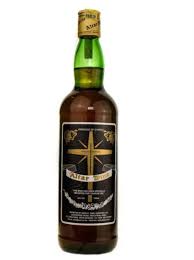
When Uganda’s Catholic Church announced it was recalling its altar wine, most Kenyans didn’t blink — until bar owners realized the “holy juice” that had been quietly fueling nightlife in Nairobi, Kisumu and Eldoret was suddenly off the shelves.
Yes, that sweet, silky “divine drink” from across the border — once meant for Communion — had become a Friday-night staple at joints like Quiver Lounge, Number 7 Club, Club Signature Kisumu, and Eagle’s Nest Eldoret.
Now, it’s gone — and Kenya’s party scene is in mourning.
When the Sacred Met the Sherehe
It all started innocently: a few bottles of altar wine crossed the Busia border, “for missionary purposes.”
Like most imports that land in Kenya, it soon found new meaning.
Before long, Nairobi revellers were pairing it with nyama choma not Holy Communion wafers.
“It was smooth, sweet, and didn’t shout in your throat,” said one regular at Whisky River in Nairobi. “We didn’t know we were partaking in the Lord’s Supper every weekend.”
Bartenders loved it too — no hangovers, no guilt and according to some customers, “you could still make it to church the next morning without shame.”
The Bishops Strike — Uganda Says “Enough!”
In Kampala, however, bishops were less impressed.
Reports of their sacred wine being sold in bars from Nakulabye to Ngong Road sparked what church insiders are calling “a spiritual quality-control crisis.”
The Uganda Episcopal Conference quickly announced that the old altar wine would be replaced and restricted available only to dioceses, not bars or liquor stores.
In other words, Uganda just repossessed its contribution to Kenyan nightlife.
Kenyan Bars React: “Hii ni Kutoa Roho Kwa Roho”
In Nairobi, bar owners are treating the recall like a national tragedy.
“That wine was performing miracles — profits, peace, and polite customers,” lamented a manager at The Bar Next Door in Westlands.
“Now we’re back to explaining why gin is not the blood of Christ.”
A few creative bartenders have even started advertising “Communion Cocktails” and “Holy Sangria” — desperate attempts to fill the spiritual gap.
Social Media Baptism
Twitter (X) and TikTok erupted as Kenyans mourned their lost drink.
“So Uganda withdrew their altar wine? That explains why my local is less spiritual this weekend,” one user joked.
Another quipped:
“First Uganda took Museveni’s whiskey, now they’ve taken the Lord’s wine. Kenya needs its own vineyard before our faith runs dry.”
A Divine Lesson in Supply and Demand
Religious leaders may have pulled the plug, but Kenya’s nightlife entrepreneurs are already scouting “alternative holy spirits.”
A few even hinted at “direct imports from Rome — if the Pope doesn’t notice.”
For now, the faithful and the festive alike are stuck sipping ordinary wine, reminiscing about the days when Uganda’s altar blend could bless both soul and stomach.
Because, as one bartender summed it up best:
“It wasn’t just wine — it was an experience. You didn’t just drink; you repented responsibly.”