By Peter Mwibanda
NAIROBI, Kenya (Sept. 18, 2025)
A silent economic crisis is unfolding across Kenya — not in boardrooms or government buildings but in the homes of ordinary citizens, where desperation has driven millions into the clutches of unregulated, predatory lenders.
With banks tightening credit access and favoring government lending and with non-performing loans reaching a staggering KSh697 billion, backstreet borrowing has become the lifeline for many Kenyans. But the cost is devastating.
Borrowers — often unable to access traditional banking services due to low incomes or blacklisting by credit reference bureaus (CRBs) — are turning to unlicensed digital lenders and neighborhood shylocks who charge exorbitant interest rates.
In return, they surrender collateral ranging from household electronics to land title deeds and in some cases, their own dignity.
Victims of this shadow economy report skipping meals, falling into depression, and even taking their own lives.
Women, in particular, bear the brunt — surveys show a disproportionate number are foregoing meals to keep up with repayments or protect their families from losing essential items.
“This isn’t just a financial issue; it’s a humanitarian one,” said Dr. Esther Wanjiru, a Nairobi-based economist. “We’re watching entire households collapse under debt that never ends.”
In the absence of strong regulatory frameworks, digital lenders have flooded the market with quick, easy loans — often requiring just a smartphone and ID number.
What starts as convenience quickly becomes a trap. With interest rates as high as 500% annually, many borrowers find themselves taking new loans just to repay old ones.
Meanwhile, commercial banks, increasingly drawn to the safety and returns of lending to the government through treasury bills and bonds have turned their backs on average Kenyans.
It’s business as usual for the privileged few, while the majority struggle to stay afloat.
“The banks are no longer lending to people like us,” said James Mwangi, a boda boda rider in Kisumu who has been blacklisted after defaulting on a KSh8,000 loan. “You either go to a shylock or you suffer. Either way, you lose.”
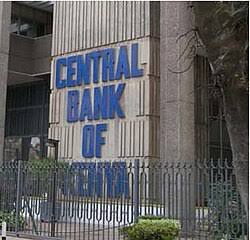
According to the Central Bank of Kenya, over 14 million Kenyans are negatively listed on CRBs a number that continues to rise amid economic stagnation, job losses and inflation.
Despite repeated calls for intervention, the government response has been muted.
Critics accuse authorities of turning a blind eye, failing to regulate digital lenders, or provide alternatives for low-income earners who remain locked out of formal credit systems.
“Who will save us?” asks Mary Atieno, a single mother of three in Kibera. “We are left on our own to survive. The government doesn’t care — we are not part of their economy.”
As Kenya struggles to regain economic footing post-pandemic and amid global financial pressures, the question looms:
Is the country turning into a shylock economy — one where survival depends on borrowing from predators, and paying the price with more than just money?
Unless urgent reforms are made to regulate digital lenders, expand access to affordable credit and address systemic inequality in banking, millions more could be swallowed by this growing shadow economy — one loan at a time.