


Legal rules, not personal decisions, explain why Inzu ya Masaaba reverted to Bugisu Cultural Institution — a shift rooted in Uganda’s 1967 abolition of kingdoms and Museveni’s 1990s restoration policy.
MBALE, Uganda (IP)
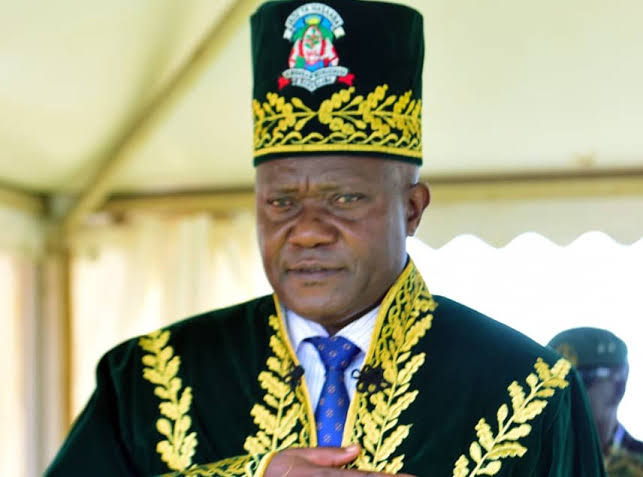
The formal change of name from Inzu ya Masaaba back to Bugisu Cultural Institution has stirred controversy among some elders and former cultural officials with accusations that Umukuka III, Jude Mike Mudoma engineered the decision.
But government officials and cultural analysts say the change was not the making of the Umukuka. Instead, it was a legal requirement.
“The law is very clear,” said a senior official from the Ministry of Gender, Labour and Social Development, which oversees traditional institutions.
“When these entities were restored, they had to return to their original names as they stood before the 1967 abolition. Bugisu was the recognized name then, and it remains so now.”
A Legacy of Abolition and Restoration
In 1967 then-President Milton Obote abolished all traditional and cultural institutions including Bugisu which was headed by Umukuka Boniface Mung’oma.
For more than two decades, the ban stood.
Restoration came in the 1990s when President Yoweri Museveni’s government reintroduced cultural leadership as part of a national reconciliation effort.
Bugisu was among several institutions reinstated, alongside Buganda, Bunyoro, Tooro, Acholi and the Badama of Tororo.
Had Mung’oma been alive and in good health at the time, he could have resumed leadership much like Stephen Owori who reclaimed his position as head of the Badama in Tororo.
Mung’oma died about 22 years ago, leaving succession to new leaders.
A Line of Succession
Since restoration, Bugisu’s leadership has followed a clear order:
Umukuka I: Wilson Wamimbi, the first leader after restoration.
Umukuka II: Bob Mushikori who succeeded Wamimbi and served until his passing.
Umukuka III: Jude Mike Mudoma, officially gazetted and recognized by government.
“This timeline shows the institution is not a personal project. It is guided by law and succession not individual whim,” said Dr. Patrick Makokha, a historian of Eastern Uganda cultures.
Local Resistance
Despite the legal clarity, opposition persists.
Many of those challenging Umukuuka III Mudoma’s leadership are linked to factions against the king.
They argue that Inzu ya Masaaba better reflects Bamasaaba identity.
Yet some community leaders see the debate as misplaced.
“The name issue is being politicized,” said Rose Nabirye, a Mbale-based civil society leader.
“Our focus should be on cultural unity and recovering the assets that belonged to Bugisu before abolition.”
The Bigger Task Ahead
Analysts say the priority for the Bamasaaba should be petitioning the government for the restoration of properties and cultural assets that were taken after 1967, as was done with Buganda .
“The name is a legal matter. The real fight should be about regaining what was lost,” Dr. Makokha added.
Bottom Line
The evidence points to a straightforward conclusion: the Bugisu Cultural Institution was restored under Museveni’s government not by individuals now claiming credit.
Its name is mandated by law not by the Umukuka’s choice.
Blaming Umukuuka III Jude Mudoma for the change, experts say, risks distorting history and distracting from the pressing issues facing the institution today.
Bugisu Cultural Institution Timeline
1967 — President Milton Obote abolishes all cultural institutions including Bugisu then led by Umukuka Boniface Mung’oma.
1990s — President Yoweri Museveni restores traditional institutions under NRM policy of cultural revival.
2011 — Institution of Traditional or Cultural Leaders Act requires restored institutions to retain original pre-abolition names
Umukuka I: Wilson Wamimbi — first leader after restoration under Inzu ya Masaaba that was recently corrected by the minister.
Umukuka II: Bob Mushikori — succeeds Wamimbi and serves until his passing.
2023 — Government gazettes Umukuka III: Jude Mike Mudoma as legitimate cultural leader of Bugisu.



