


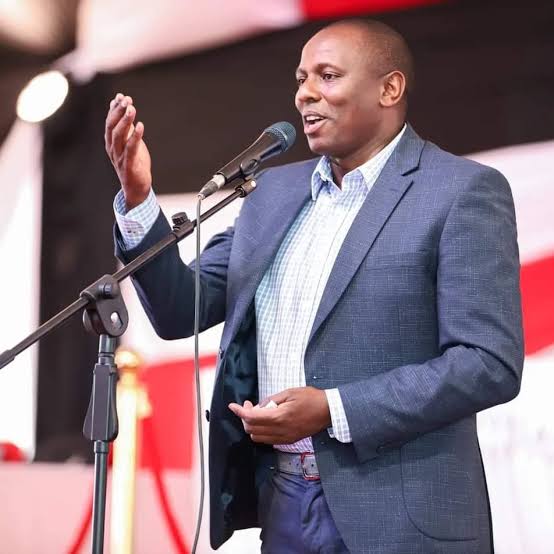
Majority leader Kimani Ichungwa…..Photo/courtesy.
By Peter Mwibanda
NAIROBI, Kenya (IP)
In a dramatic turn, Members of Parliament who once served as the political engine behind President William Ruto’s legislative victories are now in open revolt accusing him of betrayal and scapegoating.
The rebellion signals a looming political crisis that could paralyze Ruto’s presidency and reshape Kenya’s 2027 race.
From Loyal Foot Soldiers to Bitter Rebels
for nearly two years, Ruto’s administration relied on Parliament to push through contentious policies.
From the Finance Bill packed with tax increases to the Housing Levy branded punitive and unconstitutional, MPs defended the measures at great political cost.
After Ruto publicly branded lawmakers “corrupt,” frustration boiled over.
For many legislators especially younger MPs who carried the weight of public anger the insult was intolerable.
“This was a relationship of convenience. Now that we’ve served our purpose, we’re being thrown under the bus,” said a senior Kenya Kwanza MP.
A new bloc of young MPs once among President William Ruto’s fiercest defenders has emerged as his most vocal critics.
Elected under the “hustler” banner, these lawmakers are now distancing themselves from the policies they helped pass accusing Ruto of betrayal.
“He used us to push his agenda, then turned around and called us corrupt,” said a first-term MP.
Analysts warn that the defection of youthful legislators could trigger a generational realignment with Parliament reflecting the discontent already visible in the streets.
The Finance Bill as the Breaking Point
The Finance Bill loaded with tax hikes, became the lightning rod for Kenya’s largest protests in recent years.
Rushed through Parliament under Ruto’s watch the bill triggered nationwide demonstrations led by disillusioned youth.
Many MPs now say the bill was the beginning of the end of blind loyalty to the president.
With memories of tear gas, arrests, and clashes still fresh, MPs are reluctant to support another policy that could push the public back into the streets.
How the Finance Bill Sparked Kenya’s Biggest Protests
The Finance Bill is now remembered as the single most unpopular law of Ruto’s presidency.
Pitched as a revenue-raising measure it instead fueled public outrage.
3 major protests shook Nairobi and other cities.
Hundreds of arrests deepened anger at state overreach.
Youth activists turned social media into a political weapon.
For many MPs those protests signaled the danger of blind loyalty to the Executive.
A Fractured Coalition
Analysts say the uprising exposes the fragile foundation of Ruto’s power.
“Ruto built a coalition of convenience, not conviction,” said political analyst David Nalo. “Now the cost of that strategy is becoming apparent. His support base is evaporating from within.”
The revolt could trigger:
Legislative paralysis — with stalled bills and committee boycotts.
Defections and factionalism as MPs eye 2027 alignments.
Opposition resurgence emboldening leaders who had been marginalized.
Cracks Deepen in Ruto’s Kenya Kwanza Coalition.The cracks in Ruto’s Kenya Kwanza coalition are widening.
Once bound together by the promise of “bottom-up” economics, the alliance now appears to be fraying under the weight of broken promises and bruised egos.
“Coalitions built on convenience collapse at the first sign of pressure,” Nalo noted.
Ruto vs. His Foot Soldiers
For much of his presidency, Ruto relied on a cadre of loyal MPs to defend controversial policies, often at great political cost.
Now those same foot soldiers are leading the rebellion accusing him of scapegoating them to protect his image.
The fallout has left Parliament divided, with once-loyalists openly questioning whether they should continue defending the president’s agenda.
Ruto’s Foot Soldiers Turn Into Fierce Critics
For years, MPs sacrificed their popularity to protect Ruto’s legislative wins.
Today many of them say the presidency is not worth the political damage.
Their shift has transformed them from enforcers into some of his fiercest critics.
The 2027 Implications
The rebellion in Parliament is more than a short-term headache for Ruto and could shape the 2027 elections.
If MPs continue to distance themselves from the presidency opposition figures may capitalize on the fractures.
Already youth movements outside Parliament are mobilizing against what they see as an unfulfilled “hustler” promise.
Without a united coalition, Ruto could face an uphill battle to secure re-election.
Parliament Rebellion Clouds Ruto’s 2027 Path
With just two years until the next general election the timing of the rebellion could not be worse.
Analysts warn that a fractured Parliament may deprive Ruto of the numbers he needs to push reforms and weaken his campaign credibility.
Public Mood:The Hustler Nation Turns
across Kenya frustration with rising costs of living and broken promises is feeding a tide of anger against the Ruto administration.
Many who once saw him as the champion of the ordinary citizen now view him as disconnected from the struggles of everyday life.
“We voted for change, but nothing has changed,” said a university student in Nairobi.
This disillusionment is reshaping both the streets and Parliament where MPs are scrambling to align themselves with the public mood.
Public Anger Mounts as ‘Hustler Nation’ Turns on Ruto
Once the heartbeat of Ruto’s campaign, the “hustler” base is restless.
Youth unemployment, rising taxes and the perception of betrayal have shifted the tone from support to resistance.
Parliament’s rebellion is simply a mirror of what is already unfolding in the streets.
Conclusion
What began as a presidency propelled by a compliant Parliament has transformed into one haunted by rebellion from within.
The message from MPs is unmistakable: the era of blind loyalty is over.
Whether Ruto adapts—or digs in—may determine not just his legacy but whether his coalition survives the next election cycle intact.



