By Peter Mwibanda.
NAIROBI, Kenya
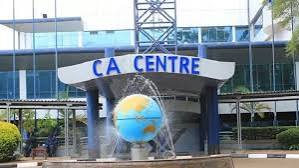
Kenya’s Communications Authority has suspended live television broadcasts amid rising tensions ahead of planned anti-government protests, a move that critics say undermines constitutional freedoms and signals a dangerous slide toward authoritarianism.
Citing national security concerns, the regulator directed stations including NTV and KTN to halt live coverage of demonstrations and political events. But the action has been condemned by civil society groups, legal experts, and press freedom advocates as unconstitutional and an affront to democratic values.
“This country is governed by the rule of law. You do not suspend constitutional freedoms out of emotion or fear,” read a 2023 High Court ruling in a related case. Observers say that ruling still applies — especially in the digital age where access to real-time information is essential.
Under Article 33 of the Constitution, Kenyans are guaranteed freedom of expression. Article 34 protects media independence, while Article 35 enshrines the right to access information. The suspension also undermines Article 37, which affirms the right to peaceful assembly.
“Live coverage helps prevent state excesses by documenting events in real time. Silencing the media only fuels mistrust,” said a constitutional lawyer, warning of likely legal challenges.
The Media Council of Kenya issued a strong statement urging the authority to rescind the directive, warning that “media restrictions without due process push the country down a dangerous path of impunity.”
⚖️ Gen Z Legacy and the Erosion of Freedoms
The ban comes nearly a year after the Gen Z-led protests of June 2024, where thousands of youth took to the streets to oppose the Finance Bill and demand better governance. Their actions were broadcast live, sparking national and global attention. Since then, the state has taken an increasingly hardline stance.
In 2024, the CA attempted to scramble live streams from NTV and KTN, citing the need to control “incitement.” But civil society watchdogs say this justification has morphed into a tool for suppressing dissent.
“It’s not just about content — it’s about control,” said a veteran media editor. “And young people know it. They’re not fooled.”
📵 A Chilling Effect
The ban is likely to have far-reaching consequences. Media analysts warn it could trigger a chilling effect, discouraging journalists from covering contentious events, while fostering self-censorship.
Independent watchdogs have documented rising threats to press freedom across East Africa — but Kenya has long been a regional beacon. This latest move raises alarm that the country may be drifting toward a model where dissent is stifled and civic space shrinks.
“Today it’s TV. Tomorrow it’s TikTok. The targets may change, but the intention remains the same: silence,” said a digital rights advocate.
🧭 What Next?
Legal experts and civil society organizations are calling for:
Judicial review to clarify the limits of regulatory authority.
Policy reform to ensure national security does not trump constitutional rights.
Media unity to resist divide-and-rule tactics by the state.
Continued documentation and international pressure to hold the government accountable.
This is more than a media story — it’s about the future of democracy in a country where young people are more politically engaged than ever before.
📝 Conclusion
The CA’s actions are not just an administrative overreach. They are a warning shot — and potentially, a breaking point. Kenya’s youth, long dismissed as apolitical, are now the vanguard of resistance. And they are watching.
The question is no longer whether Kenya is nearing the edge. The question is whether its people — especially the digitally connected and politically awakened Gen Z — will step back from it, or be pushed over in silence.
Ends.