By I.P. reporter.
Mbale, Uganda.
The United Nations Educational, Scientific and Cultural Organization (UNESCO), established in 1945, has long been committed to preserving the cultural heritage of nations.
With over 730 intangible cultural elements under its protection, UNESCO has played a significant role in safeguarding traditions across the globe, from Egyptian tombs to Japanese flute music.
Uganda, which currently has six recognized cultural elements, may soon add a seventh; the Imbalu, the traditional male circumcision rite of passage practiced by the Bamasaba people of Uganda and Kenya.
The Bamasaba cultural leadership, under the guidance of Umukuka III His Highness Jude Mike Mudoma, is working tirelessly to ensure that this vital custom is preserved and recognized by UNESCO.
The Imbalu, a biannual ritual held every two years, marks the transition of young men into adulthood.
Conducted in Uganda and Kenya, where the Bamasaba people number over 10 million, the rite is performed by male candidates aged 14 and above.
The candidates are circumcised in August, while others undergo the procedure in December.
The circumcision, performed by traditional surgeons guided by spirits called kumusambwa, involves the removal of the foreskin.
It is an ancient practice, with theories surrounding its origin, including a traditional belief that women once required circumcision for marriage, and an anthropological theory linking the practice to the Cushitic tribes who once inhabited the region.
While the Bamasaba community has practiced this rite for over 600 years, the cultural leadership is concerned that the tradition may fade as neighboring tribes, such as the Bateso and Basoga and the Luo community begin to imitate and distort the custom.
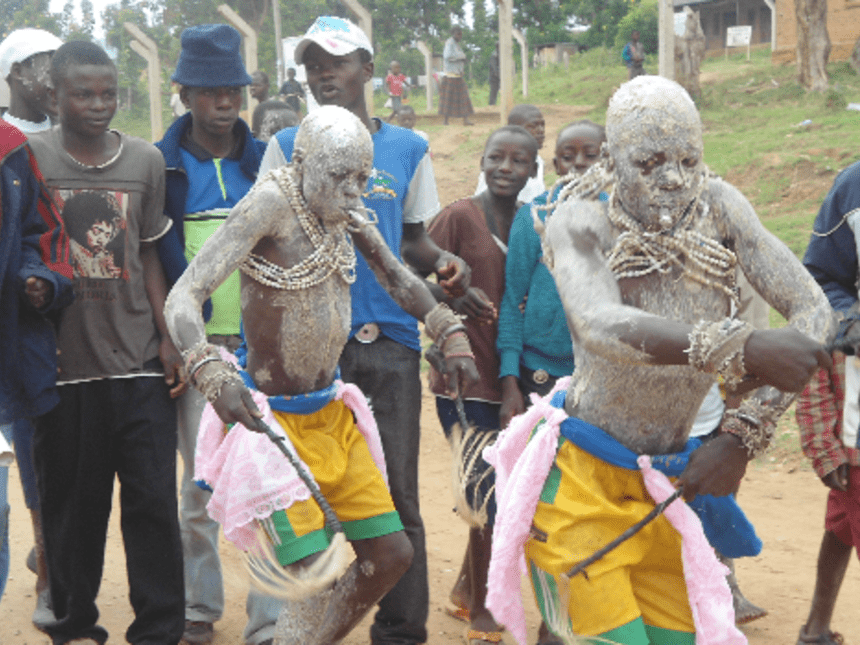
The Bamasaba are committed to protecting the authenticity of the Imbalu, which involves numerous cultural rituals, such as planting food crops, family visits, mud-rolling, and traditional dances.
These practices are vital to the Imbalu and require preservation.
As part of the initiative, the Bamasaba cultural leadership is consulting with local communities, including the diaspora and Kenyan chapters, to ensure widespread understanding and support for UNESCO recognition.
According to UNESCO country representative Mr. Dan Kaweesi, the broad consultation efforts will help in safeguarding the community’s cultural heritage.
Hon. Priscilla Khainza Mungoma, the Minister in charge of Museums and Tourism for the Bamasaba cultural institution, emphasized the importance of UNESCO protection and the benefits it could bring.
These include international recognition, funding for preservation efforts, and opportunities for cultural tourism, which could boost the local economy.
The Imbalu has cultural significance beyond tradition.
The World Health Organization (WHO) has cited the Bamasaba practice as an example of safe circumcision, which has been linked to lower rates of sexually transmitted diseases, including HIV.
With a population of about 3 million Bamasaba in Uganda alone, the ritual is not only a mandatory cultural practice but also aligns with international health guidelines.
Recognition by UNESCO would help ensure that this rich tradition is preserved for future generations while providing economic and cultural benefits to the Bamasaba community.
If the Bamasaba’s nomination is accepted, the Imbalu will become Uganda’s seventh intangible cultural heritage recognized by UNESCO.
Ends.