NAIROBI, Kenya
By Peter Mwibanda
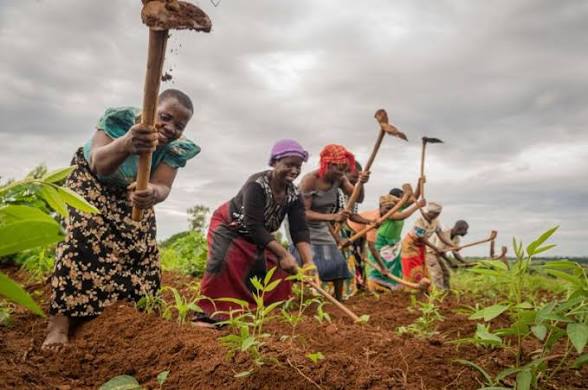
Farming in Kenya used to be a livelihood is now closer to a gamble—with weather, markets and policy all acting as unpredictable dealers.
Input costs have skyrocketed. Fertilizer prices are the alone salvation that can make a farmer reconsider life choices while fuel isn’t helping either.
On the other end, markets remain unreliable without proper storage or distribution.
Farmers often sell their produce at throwaway prices—because the alternative is watching their produce rot.
Government subsidies exist, at least on paper. In practice access can feel like winning a small lottery.
Then come imports that are cheaper, more competitive but quietly discouraging local production.
“You plant without certainty. You harvest without profit,” says James Murunga,a maize farmer in Trans Nzoia while summarizing the sector better than any policy document ever could.
Young people are noticing and avoiding to join the sector which is the bavkbone of the country.
Agriculture is losing both labor and optimism and at this rate, Kenya’s “breadbasket” risks becoming a museum exhibit: something we talk about nostalgically while importing dinner.
Ends.