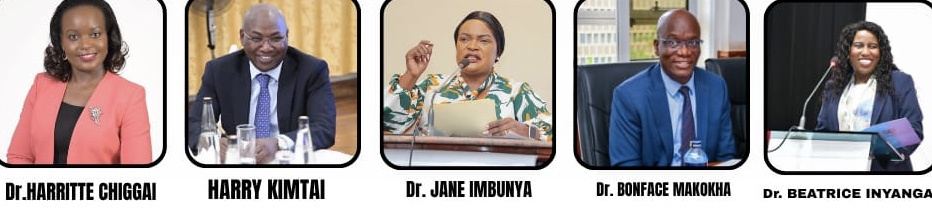
(Above)Some of the individuals in position of influence in Kenya Kwanza from western Kenya…Photo/courtesy
By IP reporter
Blame shifting from State House is now taking center stage as debate grows over whether Western Kenya’s much-talked-about “30% arrangement” has delivered real benefits beyond top government appointments.
The region is heavily represented in government, with several key figures occupying senior roles across Cabinet, ministries, state agencies, and diplomacy.
Among the notable appointments are:
🔥 Dr. Deborah Mulongo – Cabinet-level Health docket
🔥 Ambassador Ababu Namwamba – Diplomatic posting in Uganda (former Sports CS)
🔥 Harry Kimtai – Principal Secretary, Mining
🔥 Beatrice Inyangala – Principal Secretary, Higher Education & Research
🔥 Juma Mukhwana – Principal Secretary, Industry
🔥 Jane Kere Imbunya – Principal Secretary, Public Service
🔥 Susan Auma Mang’eni – Principal Secretary, MSMEs Development
In key state institutions:
⚖️ Renson Ingonga – Director of Public Prosecutions (DPP)
🛡️ Bishop David Oginde – EACC Chair
💰 Humphrey Wattanga – Kenya Revenue Authority Commissioner-General
🏦 Andrew Mukite Musangi – CBK Board Chair
📊 Prof. Paul Wachana – KIPPRA Board Chair
⚛️ Justus Wabuyabo – Nuclear Power & Energy Agency CEO
📏 Dr. Chris Wamalwa – National Standards Council Chair
✈️ Maj. Gen. Benard Waliaula – Air Force Commander
🌍 Diplomatic representation also includes:
🇦🇪 Ken Nganga – UAE Ambassador
🇸🇳 Prof. Anne Kisaka Nangulu – Ambassador to Senegal
🇺🇳 Dr. Susan Nakhumicha – Permanent Representative to the UN
🇦🇹 Edwin Afande – Ambassador to Vienna
🇺🇬 Ambassador Ababu Namwamba – Uganda posting
But despite this impressive list, one big question is being asked back home:
👉 Does all this representation translate into jobs, development, and real influence on the ground?
As 2027 approaches, the conversation is no longer about who got the positions… but what those positions have actually delivered.
💬 Western Kenya is at the table — but is it eating or just sitting pretty?