NAIROBI, Kenya (IP)
Kenya’s ambitious Competency-Based Curriculum (CBC) was designed to revolutionize learning.
One decision in its rollout is proving costly: keeping Junior Secondary Schools (JSS) under the management of primary schools.
It is time to ask the uncomfortable question: Should JSS be detached from primary schools? The answer is yes and urgently.
The idea of housing JSS within existing primary institutions may have made logistical and political sense during the CBC rollout, but it is no longer tenable.
JSS is not a mere extension of upper primary. It requires specialized teachers, age-appropriate environments and advanced resources that most primary schools cannot provide.
JSS isn’t just “Class 9” in uniform
Covering Grades 7 to 9, JSS introduces subjects that demand specialization — from integrated science and pre-technical studies to computer literacy and life skills.
These are not subjects that can be effectively taught by typical primary school teachers, many of whom are trained only in lower-level pedagogy.
Yet in many schools, the same teacher who handled Grade 6 English is now expected to teach Grade 7 chemistry or computer science often without training or equipment.
The result is that students are being taught by underqualified staff or in some cases not taught certain subjects at all.
Infrastructure gap is alarming as
most primary schools were never designed to handle adolescents.
Basic science labs, computer rooms and vocational workshops essential for CBC — are missing in the majority of JSS institutions.
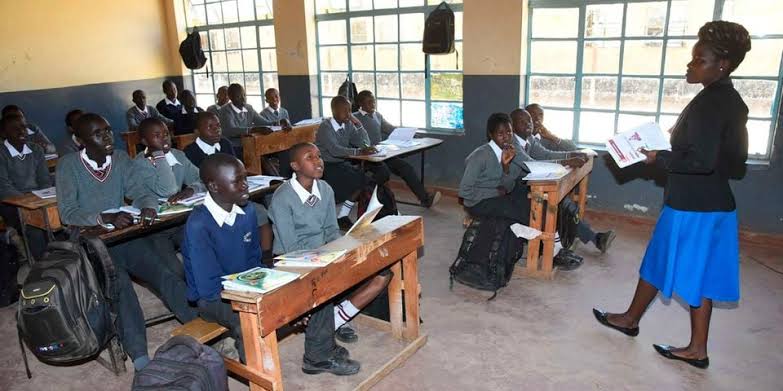
Some schools ask students to carry bunsen burners, test tubes and wires in backpacks because labs do not exist.
In other cases, JSS students share desks and toilets with much younger children, creating tension and discomfort for both groups.
Detaching JSS and establishing them as independent lower secondary institutions or integrating them into existing secondary schools would allow the Ministry of Education to equip learners with appropriate facilities and expertise.
Teachers are frustrated and overstretched
The Teachers Service Commission has acknowledged a severe shortage of qualified JSS teachers.
Those deployed often work under unclear contracts, posted far from their homes, and answer to headteachers who lack secondary school leadership training.
A primary school head cannot be expected to manage a mini-secondary school within the same compound while also running early childhood and primary programs.
The system is overstretched and beginning to crack.
Adolescents deserve better
Grade 7 students are entering adolescence, a critical stage of emotional, physical and psychological development.
They need structured guidance, mentorship and an environment that reflects their maturity.
Treating them as overgrown primary pupils undermines their academic and personal growth.
Separating JSS would allow for age-appropriate discipline, co-curricular activities and policies that prepare students for senior secondary school and future careers.
The bottom line
Keeping JSS within primary schools may have been a temporary compromise but it has become a permanent problem.
If Kenya is serious about nurturing competent, skilled and confident learners, it must stop patching holes in a sinking ship.
It is time to give Junior Secondary Schools the independence, leadership and resources they deserve.