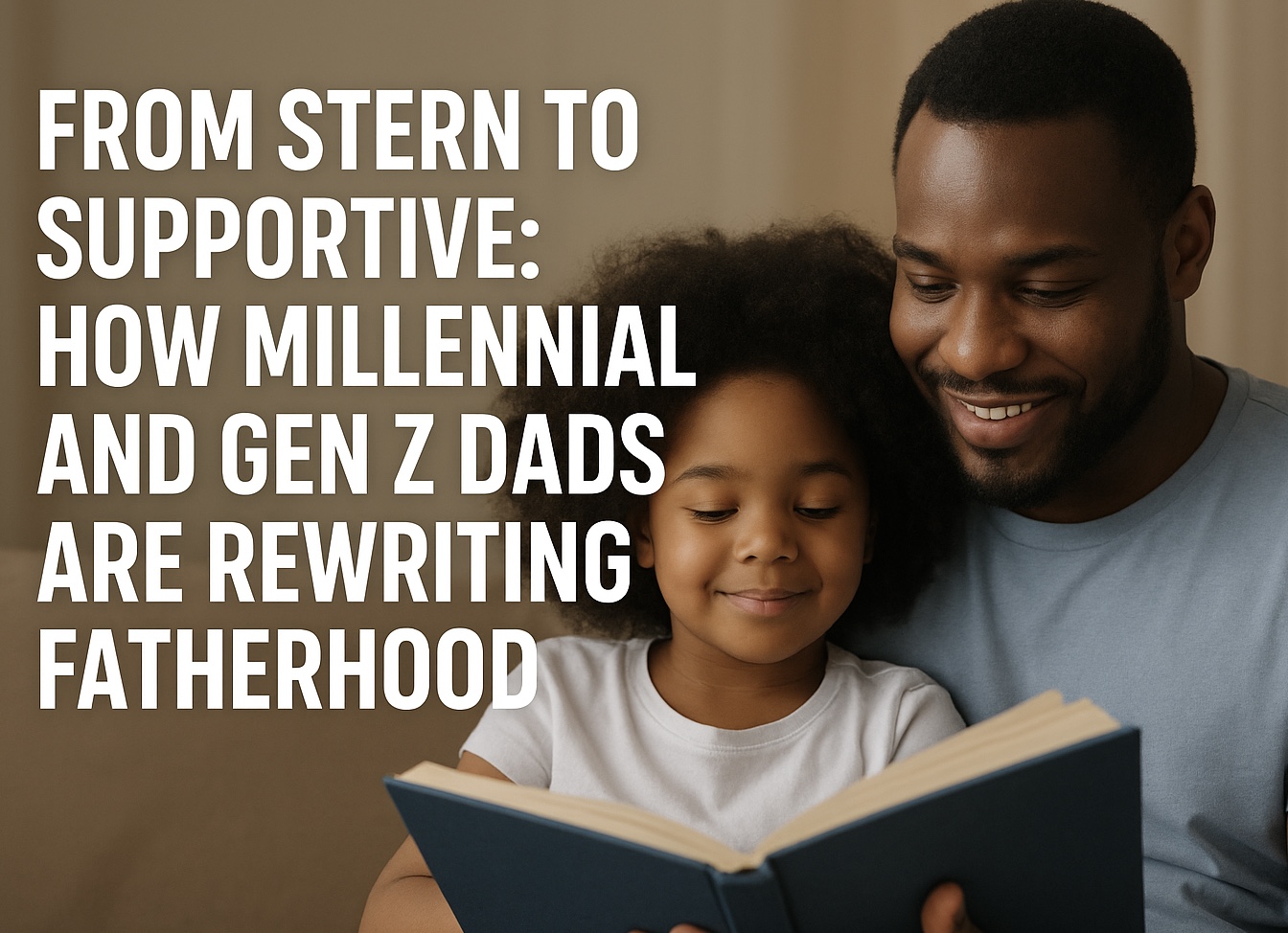
Gen Z male parent….Photo/IP.
By Peter Mwibanda
NAIROBI .
A quiet parenting revolution is taking shape in Kenyan homes.
Millennial and Gen Z fathers are abandoning the “iron hand” approach of past generations choosing instead to be more present, empathetic and emotionally connected with their children.
Breaking From the Past.
In the baby boomer and Gen X eras, fatherhood was often defined by authority and discipline.
Fathers were “providers” first, emotional figures second if at all.
Many were respected but also feared.
Today younger dads see fatherhood differently.
“I want my children to trust me enough to tell me when they’re struggling.”
— Brian Otieno, 32, father of two
The Forces Driving Change
Experts link the shift to three major factors:
Global influence through social media and online parenting communities.
Mental health awareness, encouraging men to express emotions openly.
Changing gender roles, with more women in the workforce and men taking on daily caregiving.
A 2024 African Parenting Institute study found children with emotionally engaged fathers show higher self-esteem and stronger problem solving skills than those raised in authoritarian homes.
Quick Facts: Fatherhood in Transition
68% of Kenyan fathers under 40 say they are more emotionally involved than their own fathers were.
3 in 5 millennial dads take part in daily caregiving, up from 1 in 5 in the early 2000s.
Children with emotionally present fathers are 27% more likely to excel academically.
Redefining Masculinity
Parenting coach Miriam Ndung’u says younger fathers are dismantling the “stoic father” myth.
“When a father admits he’s wrong or shares his feelings he’s teaching resilience — not weakness.” Miriam Ndung’u, Parenting Coach
Critics Push Back.
Traditionalists warn the softer style risks raising “overindulged” children.
Modern dads counter that discipline doesn’t require fear and can coexist with warmth and mutual respect.
A New Legacy in the Making
If the 1980s and ’90s were the decades of “do as I say,” the 2020s may be remembered as the era of “let’s figure this out together.”
For Otieno, the goal is clear:
“One day, I want my kids to say, ‘My dad was my hero not my dictator.’ That’s the legacy I’m building.”
Ends.