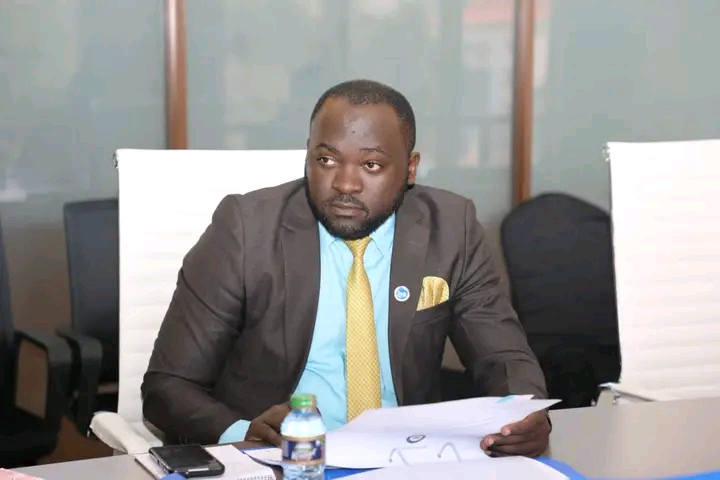
Senator David Wakoli…Photo/Courtesy.
NAIROBI,KENYA.
By I.P reporter.
*Statistics show that Ksh 1.3 trillion worth of projects have stalled across the country.
Senator Wafula Wakoli has criticized the rampant mismanagement of public funds, spotlighting the numerous incomplete projects hindering development in Kenya.
Speaking in the Senate during deliberations on the Division of Revenue (Amendment) Bill, the legislator urged county governments to focus on completing stalled initiatives before launching new ones.
He underscored the detrimental effects of these delays, which are denying citizens access to critical services and undermining the value of taxpayer contributions.
In Bungoma County, several key projects remain incomplete, affecting service delivery and local economic growth:
The High Altitude Training Centre at Chemoge in Mt. Elgon once completed, could attract international and local athletes, boosting sports tourism and create employment opportunities for coaches, facility managers, and hospitality workers.
Milk Processing Factory in Webuye Town
If operational, could process over 50,000 liters of milk daily, creating jobs for farmers, factory workers, and distributors while increasing revenue through value-added dairy products.
6.5 km Dual Carriageway in Bungoma Town
as a pilot project initiated by former Governor Wycliffe Wangamati would have eased traffic, reduced transport costs, and supported businesses along the route, enhancing revenue collection and urban mobility.
500-Bed Maternity Ward at Bungoma Referral Hospital when fully equipping this facility would have significantly improved maternal health services, reduced maternal and infant mortality rates, and employed healthcare workers, including nurses and medical technicians.
Masinde Muliro Stadium at Kanduyi
Completion would enable Bungoma to host the 2025 African Games (AFCON), creating a platform for youth employment in event management, hospitality, and security.
It would also promote sports tourism and revenue through ticket sales, vendor licensing, and increased business for local hotels and transport services.
Piped Water Project for Mt. Elgon Region designed to provide clean water, could have transformed the region by improving public health, supporting agricultural irrigation, and fostering small-scale businesses reliant on water access.
The successful completion of these projects would position Bungoma as a regional economic hub, fast-tracking its path to achieving city status.
Improved infrastructure, healthcare, and economic activities would attract investors, enhance public service delivery, and increase the county’s revenue collection base.
Key benefits include:
Employment Creation: The projects could generate thousands of direct and indirect jobs in sectors like construction, healthcare, sports, and agriculture.
Revenue Growth: Facilities such as the milk processing factory and the stadium would drive revenue collection through licensing, exports, and tourism.
Urbanization: Improved infrastructure, such as roads and healthcare facilities, would attract investors and foster urban growth, accelerating Bungoma’s journey to city status.
National Context.
The stalled projects in Bungoma reflect a larger national issue:
Nairobi: Health projects worth Ksh 1.36 billion, including Lucky Summer Dispensary and Majengo Health Centre, remain unfinished.
Kiambu: Stalled hospital projects include Wangige Health Centre (Ksh 220.28 million) and Bibirioni Level 4 Hospital (Ksh 285.99 million).
Trans Nzoia: The Ksh 1.6 billion Teaching and Referral Hospital has seen 98% of funds spent but remains incomplete.
Kitui: Health initiatives worth Ksh 573.55 million and market construction valued at Ksh 351.58 million remain abandoned.
Senator’s Call to Action.
Senator Wakoli urged governors to address the inefficiencies, citing political interference, poor planning, and contractor disputes as the main obstacles.
He called for stricter audits to determine the feasibility of stalled projects and commended Parliament for allocating funds for county development.
Wakoli stressed the need for stringent oversight mechanisms to prevent further wastage and restore public confidence in county leadership.
Ends.