


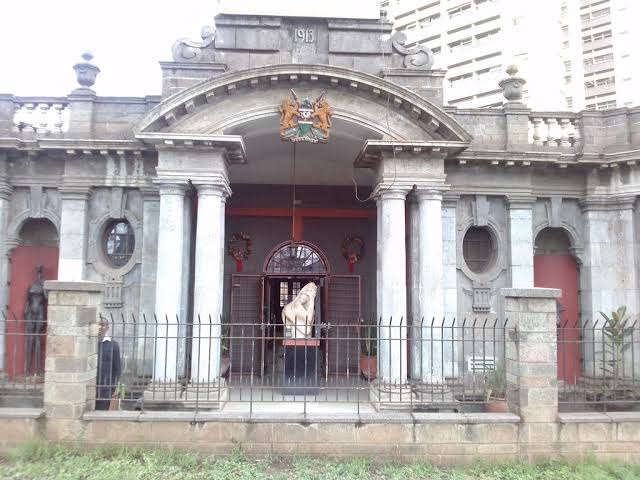
National Museums of Kenya
By Peter Mwibanda
NAIROBI
Art galleries used to be places for quiet contemplation.
Today, they are becoming tribunals, therapy rooms and battlefields in the fight against gender-based violence — and nowhere is that shift more urgent or inventive than in communities where silence has for decades protected abusers and traumatised survivors.
In exhibitions from community halls to international biennales, artists are refusing to let GBV remain a private shame.
Their work drags the issue into daylight, translates pain into testimony, and — critically — points at pathways to repair.
The result is a new, combustible form of activism: visual and performative art that exposes violence with forensic clarity while offering audiences a means to witness, empathize and act.
“Art allows us to look at what we were taught to look away from,” said Amina Otieno, a Nairobi-based sculptor whose installation of broken household objects and stitched fabric has toured regional shows.
“It holds a mirror to the community but it also offers a hand. That duality — accusation and care — is what moves people.”
A sharp, public language
Artists tackling GBV use whatever tools they have: murals that reclaim public walls, theatre that stages domestic scenes and invites audience intervention.
They do photography that centers survivors on their own terms and participatory workshops that turn reclaimed objects into symbols of resilience.
Many projects deliberately refuse documentary neutrality.
They embrace metaphor and rupture — a smashed teacup becomes a life interrupted; a painted silhouette grows wings.
That insistence on aesthetic force matters.
Graphic evidence and legal briefs can persuade judges; art persuades hearts.
It provokes conversation in places where law and policy are slow to follow.
In urban neighborhoods where community meetings falter and police responses are patchy, a mural or a street play can recruit allies, shame perpetrators and create safe spaces where survivors feel seen.
From exposure to possibility
But the most potent work does not only expose wrongdoing. It channels hope.
Across East Africa and beyond, collectives are pairing exhibitions with concrete services: legal clinics at gallery openings, helpline numbers printed on program cards, psychosocial support sessions for workshop participants.
Artists collaborate with activists and therapists to make sure that public exposure does not re-traumatize survivors but instead connects them to help.
“Visibility must be ethical,” said Dr. Lillian Mwangi, a trauma counsellor who facilitates art therapy at public events.
“Art can retraumatize if not handled with care. The best projects I’ve worked on build referral pathways into their design.
That’s how art becomes not just catharsis but a bridge to recovery.”
The ripple effect of creative protest is measurable in communities where stigma has been long entrenched.
Schools report that students who participate in theatre about consent are likelier to name abuse and seek help.
Local leaders prompted by public art initiatives have opened dialogues that previously would have been unthinkable in conservative settings.
And in media cycles that often ignore gendered harms until a scandal erupts, art maintains pressure by keeping stories in view.
Art as evidence, art as archive
There is another, less visible function at work: art creates record.
When institutions decline to collect stories, artists encode them in objects and images that refuse to vanish.
Installations, community archives and oral-history projects become civic memory — a form of documentation that can feed advocacy, journalism and, ultimately, policy reform.
“Art is a parallel archive,” said curator and researcher Samuel Kiplagat. “When courts, parliaments and police are slow or unwilling to acknowledge systemic abuse, these archives persist. They keep the moral and historical record alive.”
Risk and responsibility
The work is not without peril. Artists and activists in many contexts confront censorship, intimidation and physical danger.
Public art that names powerful figures or challenges entrenched norms can provoke backlash.
For survivors who participate in publicly visible projects, privacy and safety are ongoing concerns.
That is why ethical guidelines — consent, anonymity options, security planning — are essential components of responsible programming.
Funding is another barrier. Many GBV-centered art projects rely on short-term grants.
That leaves promising initiatives struggling to scale or sustain the critical services they embed in their programs.
If art is to move from episodic protest to durable social infrastructure, funders must follow the evidence: supporting long-term partnerships among artists, service providers and community leaders.
A global conversation
The language of the canvas travels. Works that start in local workshops now appear in international festivals and online platforms, expanding the conversation and inviting comparative learning.
That global exchange does not dilute local specificity; it amplifies it.
A mural painted in a Nairobi estate can resonate with survivors in Johannesburg, London or New York precisely because it articulates a universal truth through distinct cultural signifiers.
Policy makers, too, are beginning to listen.
Where art projects have demonstrably increased reporting or improved access to services, local governments have adopted elements of the models — funding community theatre for schools, placing counsellors at cultural events, integrating art-therapy into public-health responses. This is slow, but the needle moves.
What’s next
The movement’s future depends on sustained investment in three areas: ethical, survivor-centered practice; durable funding and institutional partnerships; and research that documents what works.
Artists and advocates need data to persuade skeptical bureaucracies that creative responses are not mere symbolism but tools that change behavior and save lives.
“Art opened the conversation,” Otieno said. “Now it must help build the systems that follow.”
For readers and institutions abroad, the message is clear: support artists as frontline responders.
Fund collaborative projects that pair aesthetic power with legal and psychosocial services.
Listen to survivors and creators and remember that art’s most radical promise is not only to indict but to imagine a life after violence — a society in which dignity, safety and creative expression are universal rights, not privileges.
—ENDS



