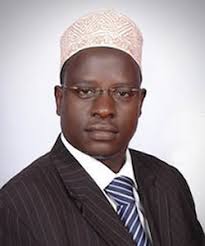
SUPKEM Chairperson Hassan Ole Naado.
By Peter Mwibanda
August 2, 2025 | Nairobi, Kenya (IP)
Kenya’s recent wave of youth-led protests has triggered a fierce government backlash, igniting fears among rights groups and legal experts that the state is increasingly resorting to harsh, unconstitutional tactics to silence dissent.
Now, a new report by the Supreme Council of Kenya Muslims (SUPKEM) has added weight to those concerns.
The report which reviews how Kenya’s justice system handles religious extremism cases, reveals widespread misuse of the law, blurred lines between lawful belief and criminal suspicion and what SUPKEM describes as a “growing culture of state overreach.”
The revelations come at a time when dozens of Gen Z protestors and human rights activists have been detained, surveilled, or charged under terrorism-related laws in the wake of demonstrations demanding transparency, economic reforms, and good governance.
“We are witnessing the shrinking of civic space under the guise of security enforcement,” said Sheikh Abdulrahman Osman, a SUPKEM official and co-author of the report. “There is a dangerous conflation between religious conviction, civil activism, and extremism.”
From Protest to Persecution.
The SUPKEM report paints a grim picture of how Kenya’s counterterrorism laws are increasingly being weaponized—not just against suspected radicals but against outspoken citizens, political dissidents and grassroots organizers.
Legal experts warn that such actions set a troubling precedent.
“The same legal framework once used to prosecute terror suspects is now being extended to citizens expressing dissent,” said constitutional lawyer Wanjiku Muli. “It’s a slippery slope that erodes the very foundations of our democracy.”
In the last month alone, human rights groups have documented cases of enforced disappearances, arrests without warrants and court proceedings held in secrecy;tactics reminiscent of past authoritarian regimes.
Protesters Branded as Threats.
Among those detained are university students, youth leaders and even clergy who offered sanctuary to protestors.
Charges range from unlawful assembly to incitement, and in extreme cases, terrorism.
Many of those detained claim they were held without access to legal representation subjected to intimidation, and denied bail.
Families report being unable to locate their loved ones for days.
“We cannot build a free and just society by turning protestors into terrorists,” said Dr. Mercy Nyakundi, director of the Kenya Human Rights Front. “Dissent is not disloyalty. Civic action is not extremism.”
Misguided War on Freedom.
The SUPKEM report though focused on the justice system’s response to religious extremism, carries clear implications for the treatment of civic protests.
The findings reveal not only judicial failures, but also the political misuse of state security tools to suppress freedom of religion, speech and assembly.
Critically, the report accuses investigative agencies of failing to distinguish between actual threats and lawful behavior.
The lack of judicial independence, it states leaves room for manipulation by the executive arm of government;particularly during politically volatile times.
“We are seeing justice being bent to serve the regime rather than the Republic,” the report concludes.
A Crossroads for Democracy.
The post-protest environment now serves as a critical litmus test for Kenya’s democratic maturity.
The country must decide whether it will defend the constitutional freedoms enshrined in the 2010 Constitution or regress into a state where fear replaces civic dialogue.
Civil society groups are calling for immediate reforms to Kenya’s anti-terror laws, including clearer definitions, judicial oversight and guarantees of due process.
“If we continue to equate youthful activism with subversion, we will lose a generation of engaged citizens and reverse decades of democratic gains,” said SUPKEM Chairperson Hassan Ole Naado.
Conclusion: A Wake-Up Call.
As SUPKEM rightly notes, Kenya is walking a tightrope between legitimate security concerns and authoritarian overreach. The justice system must uphold its independence.
The state must distinguish protest from terrorism and the people must remain vigilant.
The moment a country begins to criminalize conscience and protest, it risks becoming the very thing it once fought to escape.
For tips, feedback, or testimonies related to this story, contact:
info@petermwibanda.co.ke
#FaceFacts | #DefendTheConstitution | #YouthVoicesMatter