By Mwibanda
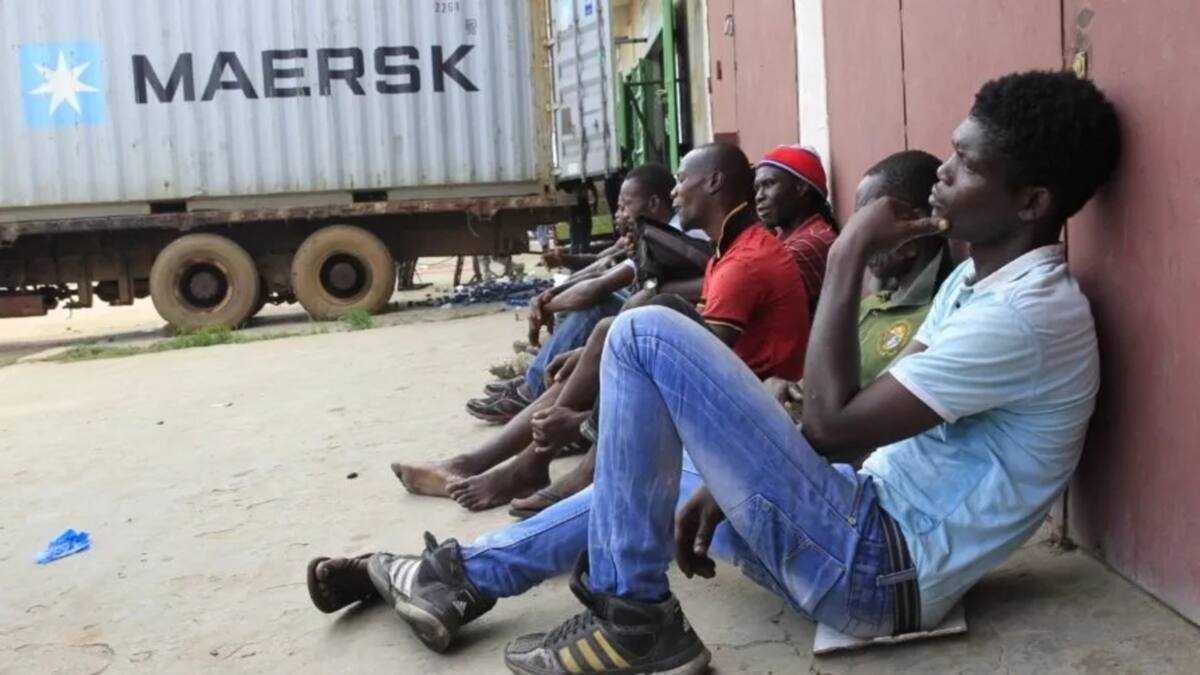
By every measure, Kenya’s youth should be its greatest asset: energetic, tech-savvy, educated, and hungry for opportunity. Yet millions are trapped in joblessness, disillusionment, and despair. This is not just an economic issue—it is a betrayal. Kenya’s unemployment crisis is a national emergency, and an entire generation has been abandoned by the political elite.
The Numbers Don’t Lie
The Kenya National Bureau of Statistics (KNBS) reveals that over 70% of unemployed Kenyans are under 35 years old. Each year, more than 800,000 young people graduate into the job market—yet only a fraction secure formal employment. The rest scramble in informal sectors, face underemployment, or fall into a growing pool of discouraged job seekers.
This crisis hits hardest in rural areas and informal settlements, where access to networks, capital, and mentorship is nearly nonexistent. For many, the dream of a job is replaced by cycles of poverty, substance abuse, and hopelessness.
Empty Promises and Political Theater
Every election cycle, politicians tout youth empowerment slogans, promising millions of jobs, industrial parks, and innovation hubs. Yet, year after year, billions are funneled through opaque “youth funds” and questionable government programs. Corruption flourishes, while graduates are left to survive on unpaid internships or fruitless job searches.
Even the much-lauded “hustler” narrative—once hailed as a revolution—has failed to address the systemic issues facing Kenya’s youth. Handcarts, motorcycle loans, and token grants cannot replace long-term, sustainable economic policy.
Education Without Opportunity
Kenya’s education system produces graduates who are not absorbed into the economy. The gap between academic training and market demand is glaring. Universities churn out degrees, but few students gain practical, employable skills. Meanwhile, technical and vocational training, despite the country’s desperate need for skilled trades, remains underfunded and stigmatized.
The result? An educated, frustrated, and idle youth population—a ticking time bomb for social unrest and radicalization.
The Elite Disconnect
Kenya’s political elite continues to live in a different reality. Their children study abroad, inherit businesses, and secure government positions through connections. They attend ribbon-cutting ceremonies, launch task forces, and talk about “job creation” while overseeing a bloated government wage bill that crowds out development funding.
Meanwhile, the youth are told to “innovate”, “volunteer”, or “be patient”.
A Path Forward: Solutions, Not Slogans
The unemployment crisis won’t fix itself. Kenya needs bold, actionable reforms:
Invest in Vocational and Technical Training: Equip youth with market-relevant skills, and rebrand blue-collar work as dignified and profitable.
Support Youth-Led Enterprises: Provide access to affordable credit, mentorship, and market linkages—not just handouts.
Public-Private Partnerships: Incentivize industries to create internship-to-employment pathways.
De-politicize Youth Programs: Remove corruption and favoritism from state-run youth funds.
Demand Accountability: Citizens must hold leaders accountable for job creation, not tolerate empty promises every election cycle.
A Generation in Waiting
Kenya’s youth are not lazy or entitled. They are simply tired of being used as campaign slogans while the same recycled leaders protect broken systems. The cost of continued neglect will be social unrest, lost productivity, and growing national frustration.
A generation has been left behind—but it’s not too late to change course. With leadership, integrity, and action, political games can give way to a future where Kenya’s youth thrive.